

How Many mg of Caffeine in a Cup of Coffee
So you're staring at your mug wondering exactly how much caffeine you're about to drink. Good question. A standard 8-ounce cup of brewed coffee contains roughly 95-100 mg of caffeine. That's your baseline. But here's the thing: not all cups are created equal, and the actual amount can swing pretty wildly depending on a few key factors.
In this article
The Basic Numbers: Caffeine Content by Cup Size
An 8-ounce cup is what most people think of as a "cup." That's your reference point, and it lands around 95-100 mg of caffeine for standard brewed coffee. Straightforward enough.
But let's be real. Most of us aren't drinking 8 ounces. We're drinking bigger. A 12-ounce cup, which is super common, typically contains between 235-295 mg of caffeine. That's nearly three times the amount of a small cup.
If you're grabbing a larger 14 to 20-ounce serving, you're looking at 295 mg or more. That's getting close to some serious caffeine territory. And if you're the type to grab a travel mug and refill it throughout the day, you might want to pay attention to this stuff. When you're ready to upgrade your cup experience, a 25 oz & 40 oz Stainless Travel Mug from Brew4UFresh LLC keeps your coffee hot and makes it easy to track how much you're actually drinking.
What Affects Caffeine Content in Your Cup
Cup size is obvious. But there's more going on beneath the surface. Brewing method matters. A lot.
Brewed coffee is the baseline we're using here. But different brewing techniques can change the caffeine concentration. Longer steeping times and hotter water can pull more caffeine out of the beans. If you're making a strong cup, you're getting more caffeine. If you're going lighter, less.
The type of coffee matters too. Different origins and roast levels can have slightly different caffeine profiles. A Cold Brew Coffee Blend from Brew4UFresh LLC, for example, is steeped longer in cold water, which can result in a higher caffeine concentration in the concentrate. When you dilute it, you control the strength.
Roast level plays a smaller role than people think. A lot of folks assume dark roasts have more caffeine, but the difference is minimal. The brewing method and amount of coffee used matter way more.
Daily Caffeine Limits and What's Safe
The FDA suggests that most adults can safely consume up to 400 mg of caffeine per day. That's a helpful ceiling to keep in mind.
Here's the math: two to three 12-ounce cups of brewed coffee gets you right around that 400 mg limit. So if you're someone who drinks three or four cups throughout the day, you might already be hitting or exceeding that threshold.
Individual tolerance varies, though. Some people feel jittery after one cup. Others can handle way more. Factors like body weight, metabolism, medications, and how often you drink coffee all play a role. If you're sensitive to caffeine, you might want to stick to smaller cups or fewer servings per day.
How to Track Your Caffeine Intake
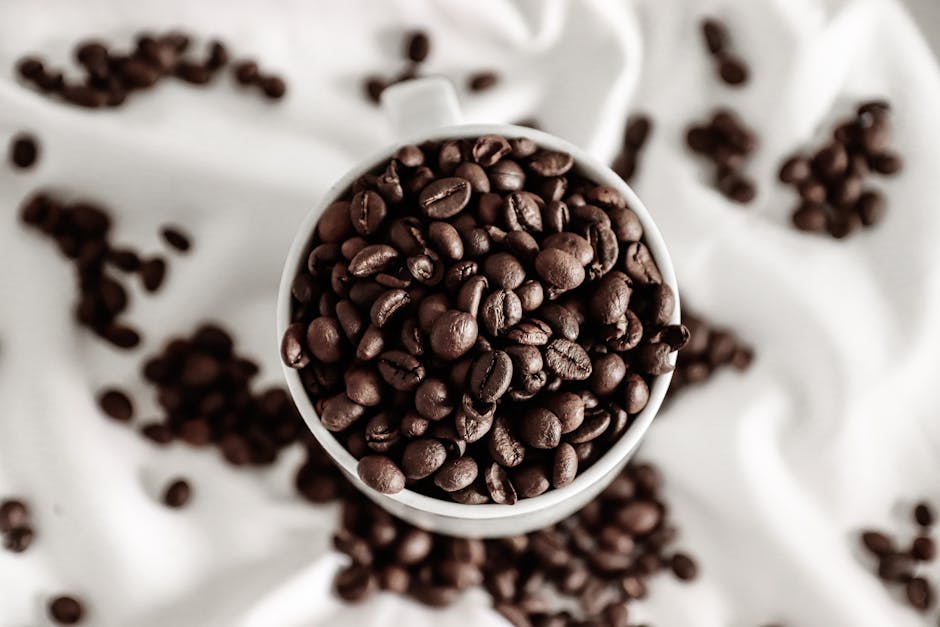
The simplest way to manage your caffeine is to pay attention to cup size and brewing strength. Use a consistent mug so you know exactly how much you're drinking. If you use a White Glossy Ceramic Mug, you can stick with the same volume every time.
Keep a rough count during the day. If you know each 12-ounce cup is around 235-295 mg, you can do quick math on whether you're approaching that 400 mg daily limit.
If you want to dial down your caffeine without giving up coffee, consider a decaf option. A Peru Decaf Swiss Water Process gives you the flavor and ritual of coffee with significantly less caffeine.
You can also mix regular and decaf. A 50/50 blend cuts your caffeine in half while still giving you that coffee experience you love. Or just swap out one cup during your day with something lighter or caffeine-free.
Single Origin Coffees and Caffeine Variation
If you're into specialty coffee, you might notice that different single origin coffees can taste wildly different. Does that mean their caffeine content differs too? Slightly, but not dramatically.
A Ethiopia Natural Sidama Single Origin brewed the same way as a Colombia Medium Roast Single Origin will have roughly similar caffeine levels. The real differences come down to how you brew them and how much coffee you use, not where the beans come from.
That's where Brew4UFresh LLC becomes helpful. You can explore different origins and flavor profiles without worrying too much about wild caffeine swings. The quality and freshness of the beans matter more for taste anyway.
Finding Your Ideal Cup
The bottom line is this: a standard 8-ounce cup of brewed coffee has about 95-100 mg of caffeine. Double that for a 16-ounce cup, and scale up from there. Most people drinking regular-sized mugs throughout the day are working with 235-295 mg per cup.
Your job is to figure out what works for your body and your routine. If you're sensitive to caffeine, stick to smaller portions or fewer cups. If you're someone who thrives on caffeine, you can safely go up to that 400 mg daily limit. Just be intentional about it.
And remember, your brewing method and the coffee you choose can make a real difference in the final cup. Quality matters, both for flavor and for how your body reacts to it.
People Also Ask

Does dark roast have more caffeine than light roast?
Not really. The caffeine content is nearly identical between roast levels. The difference is so small that your brewing method and the amount of coffee you use matter way more. Dark roast might taste bolder, but it's not packing extra caffeine.
How much caffeine is in espresso?
A single shot of espresso, which is about 1 ounce, typically has 63-68 mg of caffeine. So it's actually less caffeine per ounce than brewed coffee. But since espresso is served in smaller amounts, people often think it's more caffeinated. A double shot gets you closer to 125 mg.
Can I reduce caffeine by adding more water to my coffee?
Yes, but that's basically dilution. You're not reducing the total caffeine in the cup, you're spreading it out over more liquid. So the caffeine concentration goes down, but if you drink the whole thing, you're still getting roughly the same total amount. Better to just use less coffee grounds or brew for a shorter time.
What's the difference between caffeine in hot coffee and cold brew?
Cold brew is steeped for hours, which can result in a higher caffeine concentration in the concentrate. But when you dilute it with water or milk, the final caffeine content is comparable to hot brewed coffee of the same strength. The real difference is taste and how long it takes to prepare, not caffeine per se.