

Arabica Coffee Beans: What Makes Them Premium
Arabica coffee beans are the gold standard in specialty coffee. If you're serious about your morning cup, you've probably already noticed that arabica tastes smoother, more complex, and just plain better than other coffee varieties. That's not an accident—it's the result of what makes arabica beans unique, how they're grown and roasted, and how they end up in your cup.
Let's break down everything you need to know about arabica coffee beans so you can make smarter choices and actually taste the difference.
In this article
- What Are Arabica Coffee Beans?
- Why Arabica Coffee Beans Taste Better
- Where Arabica Coffee Beans Come From
- Organic vs. Non-Organic Arabica Coffee
- How Freshness Makes All the Difference
- Single Origin vs. Blended Arabica Coffee
- Different Roast Levels for Arabica Beans
- How to Choose Quality Arabica Coffee Beans
- Brewing Arabica Beans for Maximum Flavor
- Why Arabica Beats Other Coffee Species
- Arabica Coffee and Specialty Collections
- Flavored Arabica Coffee Options
- Building Your Arabica Coffee Routine
What Are Arabica Coffee Beans?
Arabica coffee is a flowering plant species in the Rubiaceae family, which is the same botanical family that includes madder plants and other flowering species. But here's what matters: it's believed to be the first coffee species that was ever cultivated and used commercially, and it's been the favorite of coffee lovers for centuries.
Today, arabica makes up the majority of specialty coffee sold around the world. When you're drinking a high-quality cup, there's a very good chance you're drinking arabica.
Why Arabica Coffee Beans Taste Better
The flavor profile of arabica coffee is genuinely unbeatable. You get smooth, nuanced notes that change depending on where the beans were grown and how they were roasted. Think of subtle sweetness, floral hints, or even fruity undertones—all without any harsh bitterness.
That complexity comes from the bean's chemical makeup. Arabica beans have lower caffeine content than robusta (another coffee species), which actually contributes to their refined taste. Less caffeine means less bitterness, and that leaves room for the good stuff—the flavors that make your coffee taste premium.
When you choose Brew4UFresh LLC, you're getting arabica beans that are sourced from world-class growing regions globally, so every bag brings something special to your brew.
Where Arabica Coffee Beans Come From
The best arabica beans grow in specific parts of the world—regions with the right altitude, climate, and soil. You'll find premium arabica coming from countries across Africa, South America, and Asia.
Each region produces beans with its own signature flavor profile. A single origin coffee from Peru tastes different from one grown in Kenya or Colombia. That's because soil, rainfall, temperature, and elevation all shape how the bean develops.
At Brew4UFresh LLC, they work directly with these growing regions to source premium grade beans that are roasted fresh and delivered straight to you, so you get beans at their peak.
Organic vs. Non-Organic Arabica Coffee
You'll find arabica beans available in both organic and non-organic options. Organic arabica is grown without synthetic pesticides or fertilizers, which appeals to people who want to avoid chemicals in their coffee and support sustainable farming practices.
Non-organic arabica isn't bad—it's just grown using conventional farming methods. Both can be incredibly high quality and delicious. Your choice really depends on your personal values and budget.
The important thing is freshness and roast quality, not whether the beans are certified organic. A freshly roasted arabica bean will always outperform a stale one, regardless of growing method.
How Freshness Makes All the Difference

Here's the secret that separates a truly great cup from a mediocre one: freshness matters more than you think. Arabica beans start losing their flavor the moment they're roasted. After a couple of weeks, they're past their peak. After a couple of months, they're just okay.
That's why specialty roasters like Brew4UFresh LLC roast beans in small batches and ship them directly to you. You're not waiting weeks for beans to sit in a warehouse or store shelf. You're getting coffee at its best.
When you buy freshly roasted arabica beans delivered to your door, you're tasting the coffee the way it was meant to be tasted.
Single Origin vs. Blended Arabica Coffee
Arabica coffee comes as both single origins (beans from one specific country or region) and blends (a mix of beans from different places).
Single origin coffees let you taste the unique character of a specific region. They're like discovering a new flavor profile every time you try a different origin. Blends, on the other hand, combine the best qualities of multiple origins to create a balanced, consistent cup that works for any brewing method.
If you want to explore what arabica can do, try a 6 Single Origin 2oz Sample Pack so you can taste the differences side by side.
Different Roast Levels for Arabica Beans
Arabica beans are roasted to different levels—light, medium, medium-dark, and dark—and each roast brings out different flavors.
Light roasts preserve the origin flavors and brightness of the bean. You taste the terroir, the acidity, the complexity. Medium roasts balance those origin flavors with the flavors that develop during roasting. Dark roasts emphasize the roasting process, giving you deeper, bolder, sometimes smoky notes.
There's no "best" roast—it's what you like. Some people love the bright, fruity notes of a light roast. Others go for the bold, full-bodied experience of a dark roast like the French Roast Dark Coffee Blend.
How to Choose Quality Arabica Coffee Beans
When you're shopping for arabica beans, look for a few key things. First, check the roast date. It should be recent—within the last two to four weeks if possible. Avoid anything that doesn't have a roast date listed.
Second, look for single origin information or a detailed blend description. If the roaster tells you exactly where the beans come from and how they were roasted, that's a sign they care about quality.
Third, buy from roasters who take freshness seriously. That means they roast in small batches and ship quickly, not roasters who bulk roast and store beans for months. When you order from a specialty roaster focused on quality, you're getting a better product.
Brewing Arabica Beans for Maximum Flavor
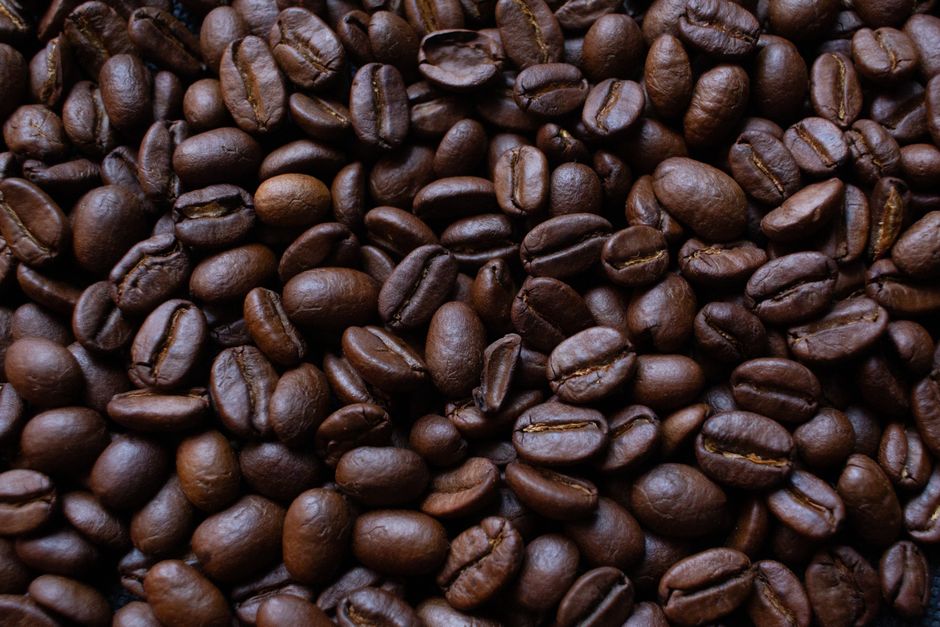
You can brew arabica beans any way you like—pour over, French press, espresso machine, or standard coffee maker. The brewing method affects how the flavors come through, but any method will work with quality beans.
The real secrets are using fresh, cold water and not over-extracting. If your coffee tastes bitter, you're probably brewing it too hot or letting it steep too long. With freshly roasted arabica beans, you want a quick, clean extraction that highlights the bean's natural sweetness and complexity.
If you're looking to explore different roasts and origins without committing to full bags, check out what's available at Brew4UFresh LLC and find the perfect arabica coffee for your taste.
Why Arabica Beats Other Coffee Species
Robusta is another coffee species you'll sometimes hear about. Robusta beans have almost twice the caffeine of arabica and a harsher, more bitter taste. They're often used in instant coffee and cheap commercial blends because they're cheaper to grow and process.
Arabica, by contrast, is harder to grow (it's more sensitive to pests and climate), which makes it more expensive. But that cost reflects quality. You're paying for smoother, more complex, genuinely better coffee.
Arabica Coffee and Specialty Collections
The best roasters curate their arabica selections thoughtfully. They highlight top selections, offer seasonal varieties, and put together collections that let you experience the full range of what arabica can do.
Some roasters offer curated sample packs so you can try multiple origins and roasts without ordering five separate pounds of beans. That's a smart way to explore and figure out what you love before you commit to buying larger quantities.
Flavored Arabica Coffee Options
Arabica beans also come in flavored varieties if you want to experiment beyond straight single origins and blends. Flavored arabica coffees let you enjoy premium beans with added flavor notes—think vanilla, caramel, seasonal spices, or even unique options like Candy Cane Flavored Coffee.
The key is quality—flavored coffee should still start with premium arabica beans. Cheap flavored coffee uses cheap beans and artificial flavoring. Good flavored coffee uses quality arabica with real flavor additions.
Building Your Arabica Coffee Routine
The best way to enjoy arabica coffee is to make it part of your daily routine. Pick a brewing method you love, order from a roaster you trust, and commit to using beans within a few weeks of their roast date.
If you're new to specialty arabica, start with a sample pack so you can try a few different options without overcommitting. That way you learn what you actually like instead of guessing based on descriptions.
Once you've figured out your preferences, you can subscribe to regular deliveries so you never run out of fresh beans. The convenience of having freshly roasted arabica shipped to your door is honestly one of the best parts of being a specialty coffee person in 2026.
What is the difference between arabica and robusta coffee beans?
Arabica has lower caffeine content, smoother flavor, and more complexity. Robusta has almost double the caffeine, tastes harsher and more bitter, and is cheaper to grow. Arabica is the premium choice for specialty coffee; robusta is common in instant coffee and budget blends.
How long do arabica coffee beans stay fresh?
Arabica beans are best within two to four weeks of their roast date. After that, they start losing flavor. By a couple of months, they're noticeably stale. Always check the roast date when you buy, and use your beans sooner rather than later.
Can you brew arabica beans in any coffee maker?
Yes. Arabica beans work in pour overs, French presses, espresso machines, Aeropress, Moka pots, and standard automatic drip makers. The brewing method changes how flavors come through, but quality arabica tastes good no matter how you brew it.
Is organic arabica coffee worth the extra cost?
That depends on your values. Organic arabica supports sustainable farming and avoids synthetic chemicals, which appeals to a lot of people. But non-organic arabica can be equally delicious and high quality. Freshness and roast quality matter more than organic certification.